Easing Jaw Pain and Tooth Wear with Targeted Physiotherapy
Jaw pain, facial tightness and unexplained tooth wear can make everyday things like eating, speaking and concentrating far more difficult than they should be. When the temporomandibular joint (TMJ) is not working smoothly, or when clenching and grinding overload the teeth, discomfort often spreads into the head, neck and shoulders. Many people also notice clicking, popping or even locking of the jaw.
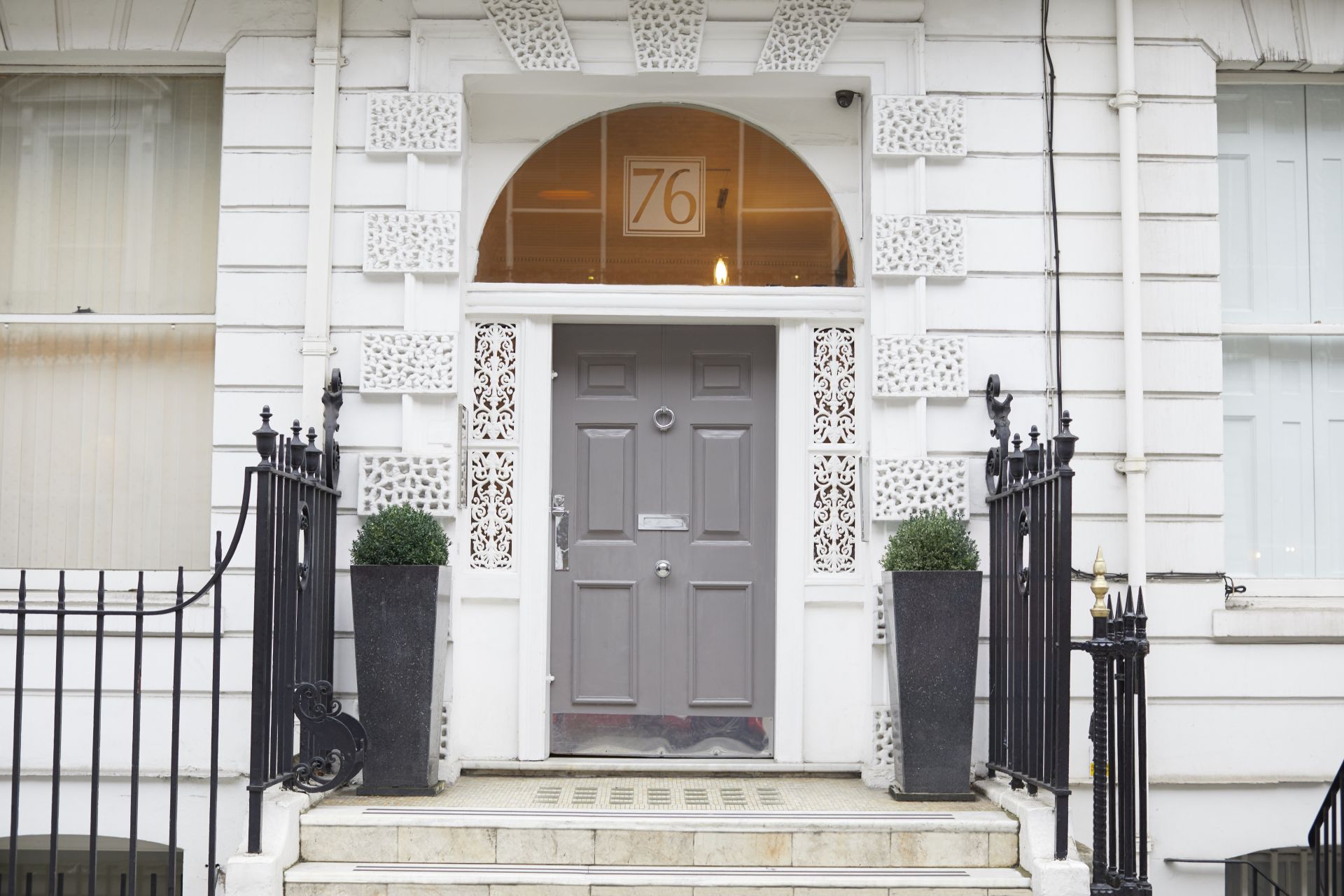
At 76 Harley Street, we see how often TMJ dysfunction and bruxism sit at the crossroads of dentistry, physiotherapy and, in some cases, orthodontics. Importantly, prosthodontists play a central role in diagnosing bite-related causes and providing the custom appliances used to treat these conditions. Patients are sometimes unsure which professional to see first, or what physiotherapy can realistically offer.
In this article we explain how physiotherapy fits alongside specialist dental care, what it can and cannot do, and when treatments such as prosthodontic splints or orthodontics may be needed as part of a joined-up plan.
Understanding TMJ Dysfunction and Bruxism
The TMJ is the hinge that connects your lower jaw to the skull, just in front of the ear. It is supported by muscles, ligaments and a small cartilage disc, and it works in harmony with your teeth and bite. For comfortable movement, the jaw joint, chewing muscles and the way your teeth meet need to coordinate every time you talk, swallow or chew.
When this system is upset, we talk about TMJ dysfunction. Triggers can include long-term stress and tension, an uneven or misaligned bite, missing teeth, trauma to the jaw, or naturally hypermobile joints. Lifestyle habits also play a part. Many people spend long hours bent over laptops or phones, which changes head and neck posture and can increase strain on the jaw.
Bruxism is the term used for grinding and clenching. Daytime clenching is often linked to concentration or stress, while night-time bruxism happens during sleep and is usually outside conscious control. Both patterns can overload the TMJ and chewing muscles, leading to pain, stiffness and tooth wear.
You should seek assessment at a specialist practice such as ours if you notice any of the following that persist:
- Jaw pain or stiffness, especially on waking or after long conversations
• Regular headaches or facial aches without an obvious cause
• Clicking, popping or locking of the jaw
• Tooth fractures, flattening, chipping or sensitivity
The Role of Prosthodontists in TMJ Treatment
TMJ dysfunction is not purely a muscle or joint problem—it is closely linked to how your teeth meet and function. Prosthodontists are the primary dental specialists trained to analyse bite (occlusion) and design the custom devices used to manage TMJ disorders.
At 76 Harley Street, prosthodontic assessment focuses on:
- Bite harmony and tooth contact patterns
- Signs of grinding and tooth wear
- Jaw position and movement pathways
- Long-term stability of the occlusion
The cornerstone of treatment is often a custom-made occlusal splint (bite guard). These devices are:
- Individually designed for your bite
- Engineered to reduce muscle overactivity
- Used to stabilise the jaw in a comfortable position
- Essential in protecting teeth from further wear
How Physiotherapy Helps the Jaw Joint Work Better
A musculoskeletal physiotherapist with TMJ experience will assess how your jaw moves and how your symptoms affect daily life. They will examine jaw opening, movement patterns, clicking, and also assess the neck and upper back.
The muscles around the cheeks, jaw, temples and neck are often tight and tender. Physiotherapy helps by:
- Releasing muscle tension through hands-on techniques
- Improving joint mobility
- Addressing posture and neck stiffness
Exercise is central to treatment, focusing on restoring coordinated, efficient movement.
A Collaborative Approach with Our Physiotherapy Partner
Because TMJ dysfunction involves both structure (bite) and function (muscles and movement), the best outcomes come from coordinated care.
At 76 Harley Street, we work closely with our partner clinic, OPTIM7SE. You can learn more about their approach here:
https://optim7se.com/about/
Their team supports TMJ patients through:
- Targeted muscle therapy and release techniques
- Postural correction and movement retraining
- Rehabilitation of jaw and neck function
- Long-term prevention strategies
This collaboration ensures that while prosthodontists stabilise the bite with precision appliances, physiotherapists address the muscular and biomechanical contributors to symptoms.
When Physiotherapy and Dentistry Work Together
Physiotherapy is most effective when integrated with dental care.
For bruxism, prosthodontic splints protect teeth and reduce overload. Physiotherapy enhances this by improving muscle behaviour and jaw control.
Where there are structural bite issues—such as crowding, spacing or missing teeth—orthodontics or restorative treatment may be required to create long-term stability.
Choosing Expert Care for TMJ and Bruxism Relief
Persistent jaw pain, clicking or tooth wear should not be ignored. Early intervention reduces the risk of long-term damage.
At our Harley Street practice, we place prosthodontists at the centre of TMJ care, supported by physiotherapy and, where appropriate, orthodontics and restorative treatment.
Start Your Journey to a Healthier, More Comfortable Jaw
If you are experiencing jaw discomfort, tooth wear or symptoms of grinding, early assessment can make a significant difference.
At 76 Harley Street, we combine advanced prosthodontic expertise with trusted physiotherapy collaboration to provide a comprehensive, personalised approach to TMJ care.
To arrange an appointment or discuss your symptoms, our team will be happy to guide you through the next steps.