Rethinking Wisdom Teeth Before You Book Surgery
Wisdom tooth extraction is one of the most talked about dental treatments for teens and young adults. Many people are told that their wisdom teeth will have to come out at some point, so they start to expect surgery as a given. The truth is that not every wisdom tooth needs to be removed, and not every ache at the back of your mouth means you need an operation. What matters is understanding when surgery is genuinely helpful and when careful watching is enough.
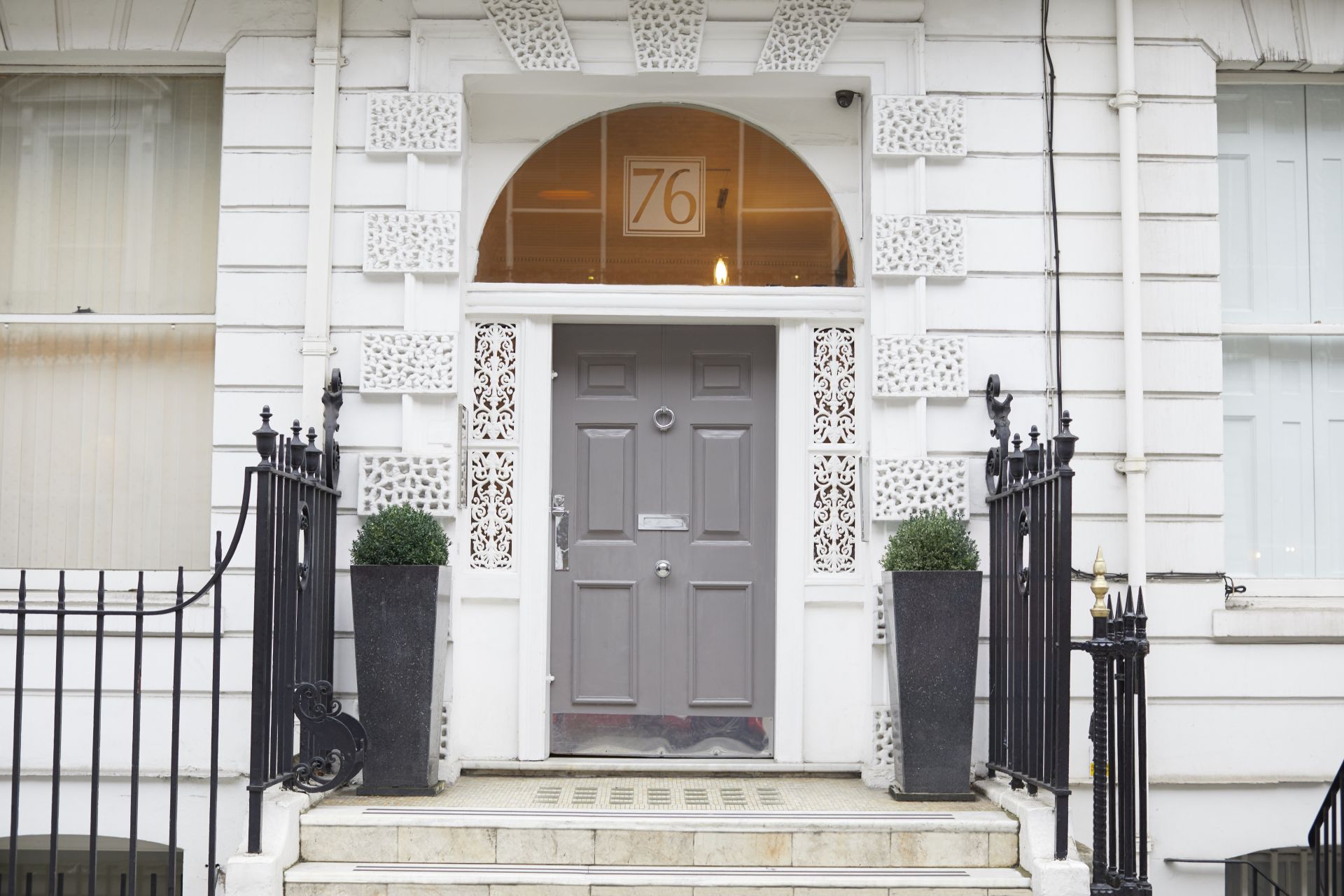
This question often comes up during school breaks or quieter times at work, when it feels easier to fit in dental treatment. Spring in London can be a good time to review your oral health, but that does not mean you must rush into wisdom tooth extraction. At 76 Harley Street, we focus on evidence, clear communication, and your comfort, so you can make a calm, informed choice about your wisdom teeth rather than feeling pushed into a quick decision.
How Wisdom Teeth Develop and When They Cause Trouble
Wisdom teeth are the last set of molars at the very back of your jaw. They usually start to appear in the late teens or early twenties, although timing can vary from person to person. Some people have all four, some have fewer, and a few have none at all. When there is enough space and the tooth grows in straight, it may never cause a problem.
Trouble often begins when a wisdom tooth is impacted, meaning it does not have a clear path to come through the gum. It may be upright but trapped under the gum or bone, tilted towards the tooth in front, leaning towards the back of the mouth, lying more horizontal than vertical, or partially erupted with some gum still covering it.
These positions can make it hard to clean the area because food and bacteria can get trapped under the gum or between teeth. Common problems include:
- Sore, swollen gums around the tooth
- Pressure or dull ache at the back of the jaw
- Cavities on the wisdom tooth or the tooth next to it
- Bad taste or bad breath from trapped bacteria
- In some cases, cysts around the tooth or damage to the second molar
Mild, short-lived aching when a tooth is breaking through can be normal. It may feel like a bruised spot or tenderness that settles down. Signs that point to a real concern include swelling that keeps coming back, pain that interferes with sleep, ongoing bad breath, or difficulty opening your mouth. Regular dental X-rays during late teens and early adulthood are very helpful here, especially during times like exam seasons and holidays, when you may be planning ahead and can talk through your options calmly.
When Wisdom Tooth Extraction Is Truly Recommended
There are certain situations where wisdom tooth extraction is usually the safer choice. These include:
- Repeated infections of the gum around the tooth
- Deep decay that cannot realistically be cleaned and filled
- Cysts or other growths linked to the wisdom tooth
- Evidence that the wisdom tooth is damaging the tooth in front
- Ongoing pain or pressure that does not improve with basic care
Some people ask about proactive or preventive removal, which means taking out wisdom teeth before they cause big problems, often while roots are still forming. Possible advantages include easier surgery when you are younger and a lower chance of sudden problems later. The downsides include having surgery for teeth that might never have caused trouble.
Waiting until symptoms appear means you avoid surgery that may not be needed, but it also means accepting that issues could arise at awkward times, such as during exams, travel, or busy work periods. Age, root development, and your general health all play a part in the timing and complexity of surgery. Younger patients often heal faster, and the roots are usually less curved, which can simplify removal.
Current clinical guidance focuses on proven risks rather than removing wisdom teeth just in case. Any decision should be based on:
- Your X-rays or 3D scans
- The position and shape of your teeth and roots
- Your symptoms and oral health history
- How easy it is to keep the area clean
At 76 Harley Street, specialist assessment can include 3D imaging, careful bite analysis, and a full review of your medical and dental background. This helps us judge whether wisdom tooth extraction is truly necessary or whether a thoughtful watch-and-wait plan is more suitable.
When You Can Safely Watch and Wait
Not all wisdom teeth are troublemakers. Many can be safely left in place when they are fully through the gum, straight and in a good bite, easy to brush and clean around, and not causing pain, swelling, or repeated infections.
Active monitoring is a structured plan, not a passive wait. It usually includes:
- Regular check-ups so we can review your symptoms
- Periodic X-rays to spot changes that you cannot see or feel
- Photos or notes to compare over time
- Tailored home care advice to keep the area as clean as possible
Between visits, it helps to know what changes may signal a developing problem. Warning signs to watch for include:
- New or increasing swelling around the back teeth
- A bad taste that does not go away after brushing
- Bad breath that others notice
- Soreness when biting or chewing near the wisdom tooth
- Jaw stiffness, especially in the morning
Good daily care helps keep monitored wisdom teeth healthy. Practical tips include:
- Using a soft toothbrush angled gently toward the back gums
- Cleaning between the back teeth with floss or interdental brushes
- Rinsing as advised after food, especially if food packs at the back
- Not ignoring small changes in comfort or taste
Choosing not to have immediate wisdom tooth extraction does not mean you are ignoring a problem. With the right guidance and follow-up, it is a positive, managed decision that can be just as thoughtful as choosing surgery.
What to Expect If You Do Need Wisdom Tooth Surgery
If removal is recommended, knowing what to expect can make the process feel less stressful. A typical path at a specialist practice starts with a detailed consultation, including clinical examination and imaging such as X-rays or 3D scans, plus a careful discussion of your symptoms and daily life. Together, you and your dental team talk through options for anesthesia, such as local anesthesia, sometimes with sedation, depending on your needs and the complexity of the case.
Modern techniques aim to keep surgery as comfortable and predictable as possible. Where suitable, minimally invasive methods help to:
- Protect surrounding bone and gum
- Reduce the size of any incision
- Make cleaning and closing the site easier
Recovery is different for each person, but many people find that:
- The first 24 hours are when bleeding and swelling are most noticeable
- The first 48 to 72 hours bring peak swelling and stiffness, then gradual easing
- A return to study or desk-based work is often possible after a few days, depending on how you feel
Planning around exams, travel, or sports is important. We usually recommend building in a few quiet days for rest, soft food, and simple pain relief as directed by your clinician.
Key aftercare points include:
- Taking pain relief as advised
- Using cold packs on the cheek in short intervals to reduce swelling
- Eating soft, cool foods at first and avoiding very hot or crunchy items
- Keeping the mouth clean while following specific instructions to protect the healing area
- Not smoking, which can slow healing and raise the risk of dry socket
Having a specialist team in central London can be helpful for busy students and professionals who need clear guidance, calm support, and flexible appointment times.
Taking the Next Step Toward a Clear Decision
If you feel unsure about wisdom tooth extraction, you are not alone. Many people are told different things by friends, family, or social media and end up confused about what is actually right for them. Getting a careful review of your mouth, your X-rays, and your personal concerns can make the path ahead feel much clearer.
At 76 Harley Street, we take the time to talk through your options, including both surgery and watchful waiting where appropriate. Planning around school breaks, early summer, or quieter work periods can make any care you do choose feel easier to manage. If you feel anxious about surgery, it can help to know that deciding to pause, ask more questions, and explore all choices is part of a thoughtful, patient-centered approach to your wisdom teeth, not a delay in your health.
Take The Next Step Toward Comfortable, Confident Smiles
If you are experiencing pain or have been advised to consider wisdom tooth extraction, our team at 76 Harley Street is ready to help you understand your options and feel at ease. We will walk you through every stage of treatment, from your first assessment to follow-up care, so you know exactly what to expect. To schedule an appointment or ask a question, simply contact us and we will respond promptly.