What to Expect From Surgical Tooth Extraction in London
Surgical tooth extraction sounds serious, and the name alone can make people feel tense. In simple terms, it is a tooth removal that needs more than gently loosening the tooth and lifting it out. it is usually needed when the tooth is stuck under the gum, has awkward roots, or has broken down so much that your dentist cannot grip it easily.
More often than not, an experienced clinician can actually remove the tooth without the need for a surgical approach. The aim is always to remove the tooth as gently and atraumatically as possible, so that healing is smooth and uneventful. With this careful technique, many patients find that they only need pain relief for the first 48 hours or so after the extraction, although everyone is different.
Unlike a simple extraction, a surgical tooth extraction may involve making a small cut in the gum, removing a little bone, or dividing the tooth into pieces so it can come out safely. Even so, with modern planning, numbing, and careful technique, many patients are surprised by how comfortable and straightforward the appointment feels. The focus is to keep you informed and relaxed so you know what is happening at each stage.
At a specialist dental practice in central London, you can expect experienced clinicians, advanced imaging, and a calm, patient-focused setting. Many people like to plan this type of treatment in spring, when diaries are a bit quieter, there are fewer holiday clashes, and there is time to heal before busy summer plans and events.
When Surgical Extraction Is the Safest Choice
Surgical extraction is not always the first option, but it is often the safest when teeth are difficult to reach or remove. Common reasons include:
- Impacted wisdom teeth that are stuck in the jaw or pressing on the tooth in front
- Teeth that are badly decayed or broken off at the gum line
- Teeth covered by gum or bone, which cannot be reached with simple instruments
- Teeth that are blocking planned orthodontic treatment or other restorative work
A specialist will look at more than just the tooth itself. They will:
- Ask about your dental and medical history
- Listen to symptoms such as pain, swelling, or trouble opening your mouth
- Check if the tooth is affecting neighboring teeth, gum, or bone
- Review current X-rays to see where the roots and nerves are
In London, many patients are referred to a specialist practice by their regular dentist when a case is more complex. This gives you access to clinicians used to dealing with tricky extractions and to equipment that helps keep treatment controlled and precise.
Step-by-Step Guide to Your Treatment Day
Knowing what happens on the day can take away a lot of fear. When you arrive, you are greeted by the reception team and given time to settle. Before anything starts, you will meet the clinical team, go through your medical history again, and have the chance to ask last-minute questions. Consent is checked so you are comfortable with the planned surgical tooth extraction.
For most patients, local anesthesia is enough. This is the numbing injection around the tooth, so you feel pressure but not pain. Some people are suitable for extra help with relaxation, such as:
- Local anesthesia with gentle IV sedation
- Local anesthesia with oral sedative tablets taken beforehand
Throughout the appointment, your breathing, comfort, and overall well-being are closely monitored. You can raise a hand if you need a short break, and the team will keep you updated on what they are doing in clear, simple language.
The surgical steps usually follow this pattern:
- The area is numbed and checked so you do not feel sharp sensations.
- If needed, a small incision is made in the gum to expose more of the tooth or bone.
- A tiny amount of bone may be removed around the tooth to create space.
- The tooth may be sectioned into smaller pieces so it can be removed gently.
- The area is cleaned and smoothed.
- Stitches are placed if required to help the gum heal nicely.
A calm, supportive atmosphere makes a big difference. Gentle communication, unhurried movements, and clear explanations help even nervous patients feel that the visit is manageable and under control.
How Specialists Plan Safe Surgical Tooth Extraction
Good planning starts well before you are in the dental chair. A specialist will carry out a detailed clinical examination and review the way your teeth bite together. Digital X-rays are usually taken, and in some more complex cases, a CT scan may be advised for a 3D view of the area.
From these images, they look closely at:
- The position of important nerves in the jaw
- How near the tooth roots are to the sinus in the upper jaw
- Bone density around the tooth
- The shape, length, and curve of the roots
All these details help your dentist choose the safest approach and reduce the chance of complications. At a specialist practice, restorative dentists, oral surgeons, and orthodontists can work together where needed. This is especially helpful when the extraction is part of a bigger plan, such as:
- Getting ready for dental implants
- Making space for braces or aligners
- Improving the appearance of your smile with cosmetic work
Careful planning can shorten the time you spend in the chair, reduce swelling and discomfort after surgery, and help you return to work, school, and everyday spring activities more quickly and confidently.
Recovery, Healing, and Protecting Your Smile
After your surgical tooth extraction, you will be given clear aftercare instructions before you leave. A gauze pad is usually placed over the area to help control initial bleeding, and you will be shown how to change it if needed. Common advice includes:
- Resting for the remainder of the day
- Using prescribed or suitable over-the-counter pain relief as directed
- Applying an ice pack on the cheek in short intervals to help control swelling
- Avoiding very hot food or drinks until the numbness has fully worn off
The healing timeline is different for each person, but many experience:
- First 24 hours: mild oozing from the site, tiredness, and some soreness
- 24 to 72 hours: swelling often peaks, then slowly starts to ease
- After a few days: most people feel well enough for work or classes, with some care when eating or brushing
In early spring, it can be helpful to plan soft, comforting meals at home, keep a bottle of water nearby, and hold off on very vigorous outdoor exercise until your dentist says it is safe. Smoking and drinking through a straw are usually discouraged, as they can disturb the blood clot and slow healing.
You should contact the practice promptly if you notice red-flag symptoms such as:
- Persistent severe pain that does not improve with recommended pain relief
- Heavy bleeding that does not slow down after following advice
- Fever, feeling unwell, or increasing swelling after a few days
Specialist teams stay in touch during recovery, with follow-up checks and reassurance as you heal, so you are not left worrying at home.
Your Next Steps Toward Comfortable Surgical Care
If you have been told that you need a surgical tooth extraction, or you are living with pain from a difficult tooth, the next step is usually to seek a professional opinion from a specialist rather than putting it off. Delays can sometimes lead to more discomfort, more swelling, or a more complex procedure later on.
Before your consultation, it helps to write down a few questions, such as:
- What kind of anesthesia or sedation is suitable for me?
- How long should I allow for healing before key work, school, or social plans?
- What options do I have for replacing the tooth in the future, such as dental implants or other restorations?
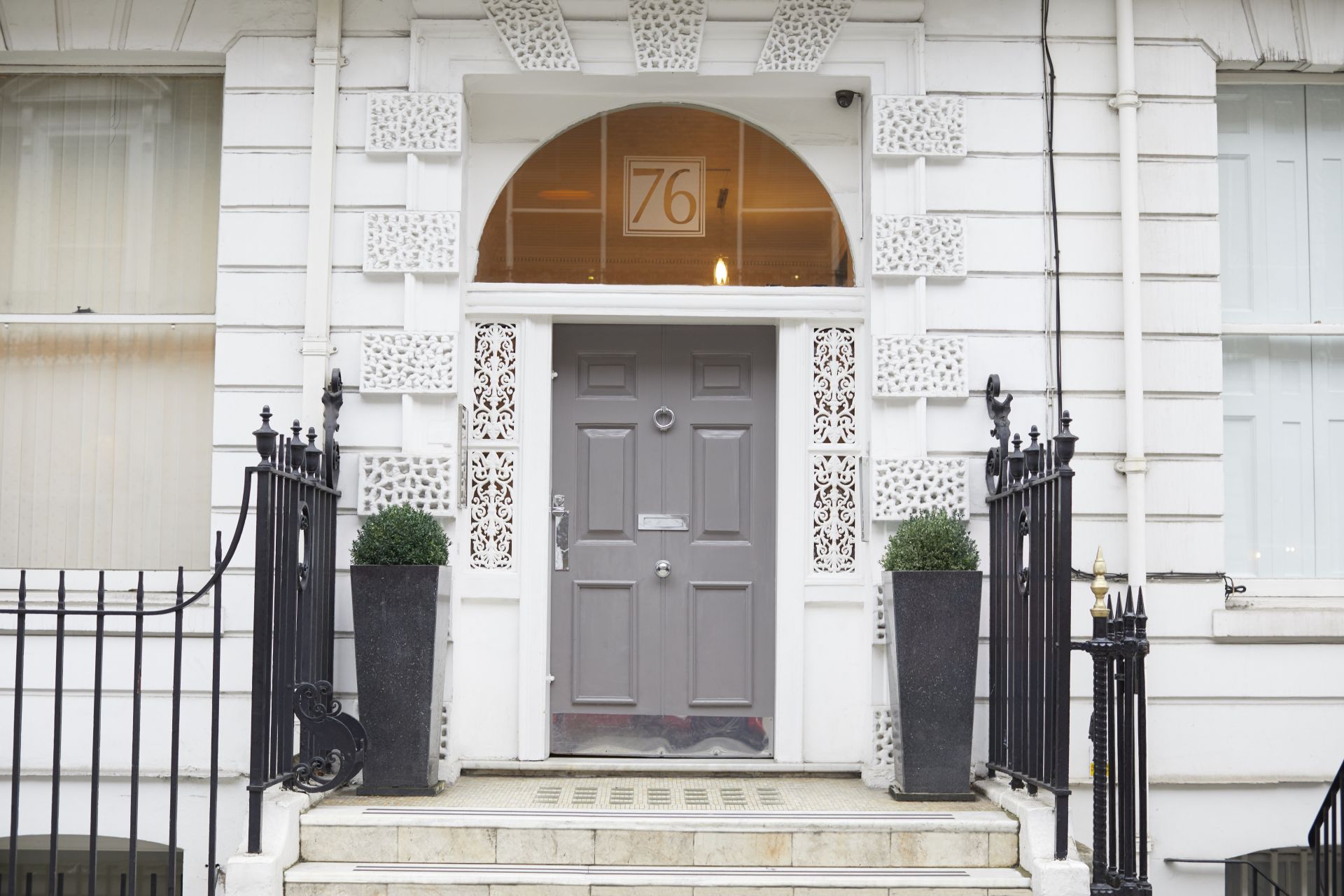
At 76 Harley Street in central London, the focus is on calm, thoughtful care. The team plans each surgical procedure around your individual needs so that treatment feels as smooth and comfortable as possible, giving you space to recover and enjoy the months ahead with confidence in your smile.
Restore Comfortable Oral Health with Expert Care
If you are anxious about a complex tooth removal, we can guide you through every step and provide a tailored surgical tooth extraction plan that prioritises your comfort and aims to keep the procedure as gentle as possible. At 76 Harley Street, our specialist team uses advanced techniques to minimise trauma, reduce the need for ongoing pain relief, and support a smooth recovery. Reach out today to discuss your concerns or schedule an appointment.